Onward Flight Reservation Booking for a Japan Tourist Visa
An onward flight reservation booking is a real airline reservation with a booking reference that shows when you plan to leave Japan. It helps your visa application show a clear, credible plan, but it is not a ticket and it does not guarantee a visa, because the embassy makes that decision. Matching the dates to your hotel and tour bookings is what makes it persuasive.
A flight reservation is a real booking record with a reference, not a paid ticket
The embassy decides on your visa, and no booking guarantees approval
Your exit flight dates should match your hotel and tour dates
Check the name on the reservation matches your passport exactly
Keep the reference and itinerary ready to show if asked
Meet Priya, a UK holidaymaker planning Japan
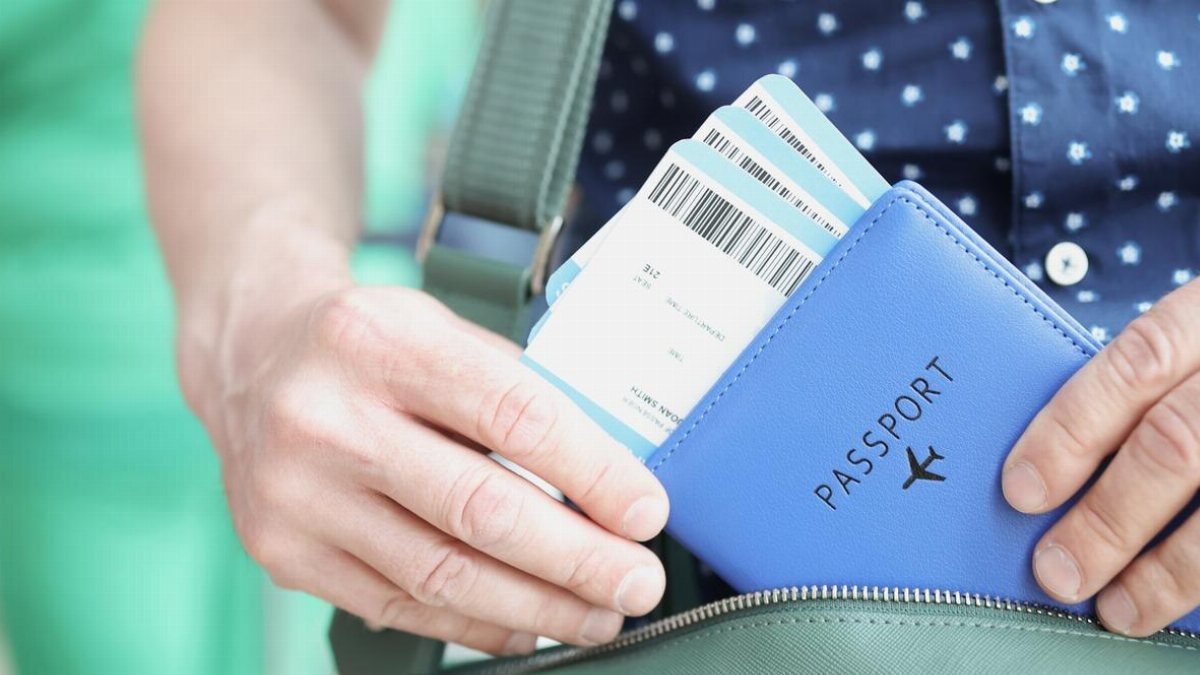
[[img:1]]
Priya lives in Leeds and had wanted to see Japan for years. Her plan was a two-week trip in spring: three nights in Tokyo, a few days in Kyoto, then a final stretch in Osaka before flying home from Kansai airport. She had the dates sorted, but when she started looking into a tourist visa, she realised the file would need more than her passport and a hotel name.
At first she assumed she could simply send a screenshot of a flight she intended to take. Her travel friend Tom, who had planned a trip to Japan the year before, pointed out that what she really needed was a proper flight reservation with a booking reference, showing when she would leave the country. That small change in thinking shaped the rest of her preparation.
Priya set her plan around her return date first, then worked backwards. She chose an exit flight from Osaka and made sure her last hotel night in Osaka matched the day before it. Her Tokyo and Kyoto bookings were then checked against the same dates, so nothing in the file contradicted anything else.
By the time she gathered her documents, Priya had a clear itinerary that read the same way everywhere. Her reservation, hotels and travel insurance all told the same story, and she found the process far less stressful than she had expected.
What an onward flight reservation booking actually is
An onward flight reservation booking is a record held by an airline that shows you intend to leave the country on a set date, usually on a route that takes you out of Japan to another destination. It is made up of a flight number, the travel date, the departure and arrival airports, and a **booking reference**, a short code the airline assigns that anyone can look up to confirm the details. The reference is the part that matters most, because it lets a visa officer check that the booking is genuine rather than taking your word for it.
Think of a couple from Manchester heading to Kyoto and Tokyo for ten days. Their outbound flight lands at Haneda, and their onward flight leaves from Kansai, Osaka, a few weeks later. A reservation for that Kansai departure, with its reference, shows the trip has an end point and that they plan to fly home or onward.
A reservation is not the same as a paid ticket. The reservation holds seats under a booking reference without requiring full payment, and the airline can release it if it is not paid for by its deadline. A paid ticket is the completed purchase, with an electronic ticket number issued against the reference. Your reservation will therefore show the airline, route, date and reference, but it will not by itself mean you have paid for the seat, and you should not describe it as one.
TABLE comparing a reservation, a paid ticket and an airline hold
[[img:2]]
Because the three options look alike on a screen, it helps to set them side by side. A **flight reservation** is a real booking record held by the airline, with a booking reference, the route, the dates and the passenger names. A **paid ticket** is the same booking once it has been paid for and a ticket number has been issued against it. An **airline hold** is a temporary reservation that keeps a fare or seat for a short window and then lapses unless it is paid for.
The table below sums up the differences.
**Cost:** a reservation can be made at no charge or with a small fee, and its status depends on the airline's terms. A paid ticket is the full fare, paid in full. A hold usually carries a small charge or none, and it expires.
**What you receive:** a reservation gives you a booking reference and an itinerary. A paid ticket gives you a ticket number and a receipt. A hold gives you a reference and a deadline, with no guarantee the seat will still be there once it runs out.
**Useful for a visa file:** a reservation shows a real, checkable plan to leave. A paid ticket shows the same plan and that it has been bought. A hold is too fragile to rely on, because it can disappear before your appointment.
Take Ana, who is applying for a short tourist visa for a trip to Tokyo and Kyoto. Her embassy wants to see a route out of the country, and she is not yet sure she will fly the return. A flight reservation for visa purposes lets her show a real booking with a reference and dates that she can verify, without paying for a seat she may change. If she later decides to keep the flight, she can pay and move from reservation to paid ticket.
How should my exit flight dates line up with my hotels?
How should my exit flight dates line up with my hotels?
The simplest way to make your dates line up is to work backwards from your exit flight. Pick the flight first, then set the last hotel night so that you check out on the morning of your departure day, or the day before if you have an early flight. Leave a little breathing room, usually a buffer of one day, so a delayed train, a tour that runs late or a long queue at the hotel does not put you at risk of missing your flight.
Think about the tour end date too. If you are joining a guided tour, the tour usually finishes in a particular city, and that city may not be where your flight leaves from. Check whether the coach or train back to the airport is included, and allow enough time between the tour's last activity and your flight.
Here is a common pattern. Imagine Tomas, travelling alone from Manchester, who books a ten-day trip from Tokyo to Kyoto and back. He has a hotel in Tokyo until the 9th, a ride-share to Kansai airport on the 11th, and a flight home at 14:30. He checks out of his Kyoto hotel on the morning of the 11th, which leaves him a relaxed journey to the airport, and he does not book a hotel for the night of the 10th in Osaka, so the timings stay tidy.
Write your dates down in one list, with each check-in and check-out and the flight time, and read it back against your reservation. Small mismatches are much easier to fix at the planning stage than on the day.
Does Japan ask for a flight itinerary for a tourist visa?
[[img:3]]
Whether Japan asks for a flight itinerary is something to confirm with the Japanese embassy or consulate that will handle your application, because requirements can depend on your nationality, the type of visa and the route you are taking. What you can do is prepare an itinerary that answers the questions a visa officer is most likely to have: when you arrive, where you are staying, and how you will leave. Embassies generally want to see that your trip has a clear beginning and end, and an onward or return flight reservation is the simplest way to show the end.
Think of it as a short, honest summary of your plans rather than a sales document. A good presentation lists each date in order, the city you will be in, the accommodation for each night, and the flight that takes you out. Keep the wording plain and match the names and dates exactly to your passport and to your booking records.
For example, imagine a couple from Leeds planning eight nights in Tokyo followed by four in Kyoto, flying out of Osaka on day twelve. Their itinerary would show the arrival flight, the Tokyo hotel with check-in and check-out dates, the train journey to Kyoto, the Kyoto hotel, and then the Osaka departure flight reservation with its reference. Each line can be checked against the others, so nothing appears to float unexplained.
Bring a copy of the itinerary and the reservation in case the embassy asks for them, but do not send anything they have not requested. Confirm the current document list on the official website before you submit.
Booking a flight reservation for visa with the right name
When you book a flight reservation for a visa application, the name on the booking has to match your passport exactly. Airlines check names at check-in, and embassies compare what you submit against your passport, so a small difference can create questions that have nothing to do with your travel plans. Start by copying your name from the photo page of your passport, letter for letter, including any middle names and accents.
Watch out for the common slips. A hyphen, a missing middle name, a surname written in a different order, or a transliterated spelling can all cause a mismatch. Dates of birth and passport numbers need the same care, so check each digit against the document rather than from memory.
Here is a real-life example. Sophie is travelling to Tokyo with her partner Tom, and her passport shows her name as Sophie Anne Walsh-Morley. If she books as Sophie Walsh Morley, the reservation and the passport no longer read the same. Tom, meanwhile, should give the exact spelling from his own passport, not the version on his driving licence. Each traveller in a group should be checked separately in the same way.
Before you finish, read the booking record aloud against your passport and confirm every field. If you spot an error, contact the airline or the booking service straight away so it can be corrected while the reservation is still open. A clean match from the start saves you from having to explain discrepancies later.
Writing the itinerary alongside your hotel and insurance
Once your flight reservation is in place, the next job is to make it sit neatly beside everything else you have booked. Embassies and visa centres tend to read an application more smoothly when the flight itinerary, your hotel bookings and your travel insurance tell the same story. Think of it as one folder that a reader can follow from start to finish without having to guess.
Take Priya, a UK holidaymaker heading to Japan for twelve days. She plans to land at Narita, spend four nights in Tokyo, three in Kyoto, and then leave from Osaka Kansai on her return flight. Her reservation shows the same arrival and departure airports, and her hotel bookings line up with each city she names. Her insurance certificate covers the whole trip dates, so nothing looks out of step.
A simple way to build your folder is to list each leg in date order, then match a booking to each one:
Arrival flight, with the date and airport
Each hotel, with check-in and check-out dates that connect without gaps
The onward or exit flight, with the departure city and date
Your travel insurance, with start and end dates covering the full stay
Keep the dates consistent across every document, and check that the names match your passport exactly. If one hotel is booked under a nickname or a slightly different spelling, correct it now rather than hoping it goes unnoticed. Save a PDF of each booking and store them together, so you can present the set in one go if asked. A tidy, consistent folder is a quiet kind of reassurance for you and for anyone reviewing it.
What to do if your plans change after you apply
Plans shift after an application goes in. A hotel changes, a colleague swaps shifts, or a friend's wedding moves a week, and the flight reservation you submitted may no longer match what you intend to do. The honest response is to update the record rather than leave an old document sitting in your file.
Start by checking what has actually changed. If only the hotel has moved within the same city, your flight dates may be fine and you only need to update the accommodation details. If your entry or exit date has moved, the flight reservation needs to reflect the new dates, and you should rebook or amend through the airline before you rely on it again.
Consider a real situation. Suppose a couple from Leeds applied with a flight reservation leaving Tokyo on the 14th, then decided to spend three extra nights in Kyoto and fly home from Osaka instead. Their hotel bookings in Tokyo are no longer relevant for the final stretch, and their exit route is different. They should amend the flight reservation to the new departure city and date, then replace the old PDF in their folder with the new one, keeping the superseded copy clearly marked as old.
If a booking is cancelled, tell the airline and confirm the cancellation in writing. Keep that confirmation with the rest of your records, because a cancelled reservation sitting unexplained in your file can cause more questions than an updated one. Where your embassy or visa centre has already received an application, check their guidance on whether they need notice of changes. The embassy makes the decision, so it is sensible to ask them directly rather than guess.
Finally, keep one current set of documents and date each version. Being able to show what you planned, what changed and why is a quiet kind of honesty that serves you well.
Common mistakes and what to check before you book
Before you send anything to an embassy, it pays to read your onward flight reservation booking line by line, the way an official would. Small slips are the most common reason a document looks untidy, and they are easy to fix while you still have time. Start with the name. It should match your passport exactly, including the middle name, any hyphen and the order of surnames. A name that is shortened or typed with a missing letter can make a reviewer pause, even when the person is plainly the same traveller.
Next, check the dates and the time zone. Airlines usually show departure times in local time at the airport, and a flight that leaves at 00:50 may fall on a different calendar day from the one you have in your head. Japan is nine hours ahead of the UK for most of the year, so a flight that lands in the early morning Tokyo time can look very different on a UK clock. Write the date as the airline shows it, not as you remember it.
For example, a couple flying from Manchester to Osaka via a connection might book a return leg departing Kansai on the 14th, only to realise the outbound journey was recorded as the 13th because of the overnight time difference. Compare every segment against your hotel bookings and your insurance dates so they all tell the same story.
Finally, copy the reservation reference carefully and check it character by character. Letters such as O and 0, or I and 1, are easy to confuse. Once you are satisfied, save one clean copy of the booking confirmation, dated, and keep the reference somewhere you can find it quickly.
Is an onward flight reservation the same as an onward ticket?
Not quite. An onward flight reservation is a real booking record with a reference, while an onward ticket usually means a paid, issued ticket, so check what your embassy asks for.
Can I use a verifiable flight reservation for visa purposes?
Yes, a genuine booking with a reference that the airline can confirm is what most travellers use as supporting evidence.
How do I match my flight itinerary to my hotel bookings?
Line up your arrival and departure dates with your accommodation and tour dates, and leave a small margin for travel days.
Is a dummy flight ticket the same as a flight reservation?
People often search for a dummy flight ticket, but what most applicants really need is a genuine flight reservation with a booking reference, not a fake document.
Can I book a flight reservation here for my Japan visa?
You can book a verifiable flight reservation through BookToursTicket, which can help you prepare your itinerary for your visa file.
Is a flight reservation the same as a ticket?
No. A reservation is a booking record with an airline reference. A ticket is paid for and lets you fly.
Please note
A flight reservation is not a ticket and does not guarantee a visa. The embassy or visa centre decides, and its rules change. Follow the official checklist for your application. We are independent and not affiliated with any airline or embassy.
Ready to order?
£18.00 one way or £18.00 return, per traveller. Delivered within 2 hours.
Short answer: A bali flight reservation visa plan works best when every flight in your trip tells the same story, from arrival to exit. Choose one verifiable fli...
Short answer: For most UK applicants, a flight reservation with a booking reference is what they need to show, not an issued ticket, though what a consular offic...
Short answer: A flight reservation usually stays open for a limited period, and that period depends on the airline, the fare and how far ahead you travel, so the...