Asia Multi Country Itinerary Visa: A Step-by-Step Planning Guide
A multi-country Asia trip needs each country's entry rules checked in the order you will visit them, with a flight reservation showing how you leave each one. Most applications ask for proof of onward travel, and a verifiable flight reservation with a booking reference is usually what you need, not a ticket. Start by listing your countries and dates, then confirm each visa requirement before you book anything.
Each country sets its own visa and entry rules, so check every one separately
A flight reservation is a real airline booking record with a reference code, not a paid ticket
Onward or return travel proof is commonly requested, but the embassy or border officer makes the final decision
Your order of countries affects which visa you apply for first and how you travel between them
Keep your itinerary, reservation reference and hotel bookings together in one folder
Step one: List your countries and dates on one page
[[img:1]]
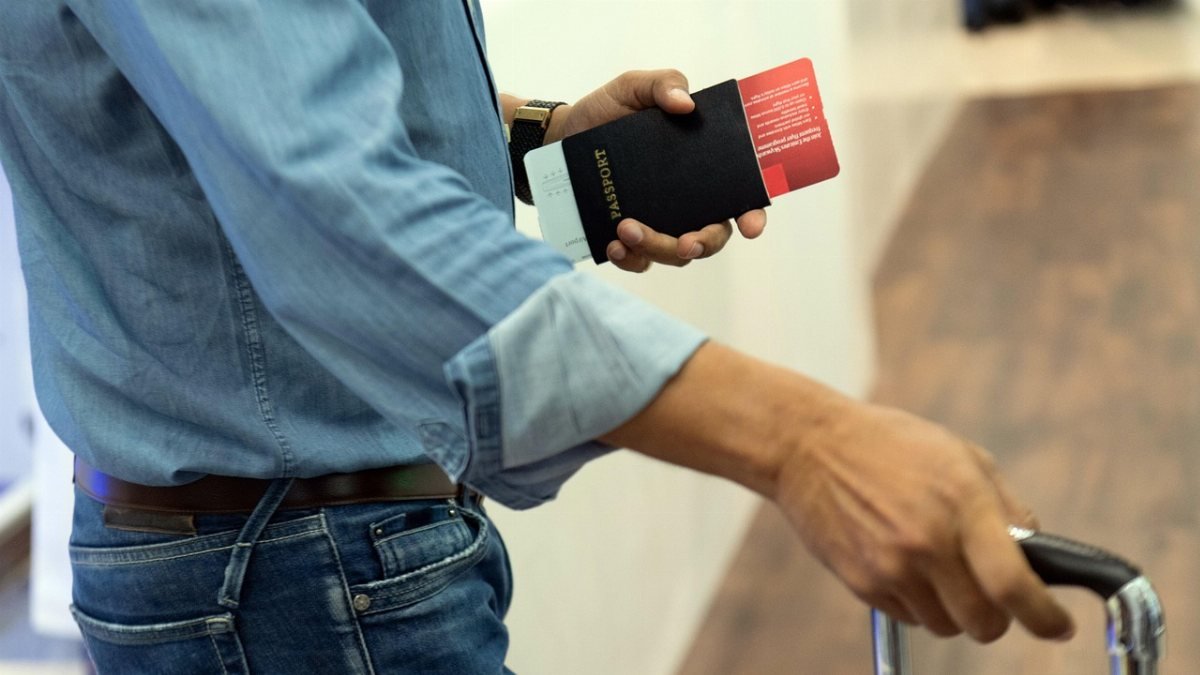
Before you look at any visa form, put your whole trip on a single page. A simple list is enough: the country, the cities you plan to visit, the date you enter, the date you leave, and the number of nights in each place. Seeing it all at once makes it much easier to spot gaps, overlaps and places you have forgotten.
Take a couple travelling for three weeks: Bangkok for four nights, then Cambodia for five, Vietnam for seven, and home from Hanoi. On one page they can see that Cambodia is reached by land from Thailand, that Vietnam is their longest stay, and that the flight home leaves on a fixed date. Writing it out this way also shows the total days in each country, which you will need when you check entry rules later.
Write the country name, then the entry date and exit date beside it.
Add the cities or regions you will actually stay in, and how many nights in each.
Mark any fixed dates, such as a wedding, a tour departure or a return flight.
Note how you will travel between countries, whether by air, road or rail.
Keep the page honest and specific. If your dates are still flexible, write the earliest and latest options. This one sheet becomes the reference you return to whenever a question about your route comes up, and it saves a great deal of second-guessing later on.
Step two: Check the visa rules for each country separately
Step two: Check the visa rules for each country separately
It is easy to assume that one permission will carry you across a whole region, but each country sets its own entry rules and they rarely line up. An e-visa issued by one country applies only to that country. Passing through a neighbouring border on the same trip does not extend it, and the rules for the next stop may be quite different, with separate forms, fees and processing times.
Take a traveller from Manchester planning a route through Hanoi, then Siem Reap, then Bangkok. Vietnam may ask for its own e-visa before arrival, Cambodia may offer a visa on arrival at its airports, and Thailand may waive visas for some British passport holders for a set stay. Each of those answers belongs to a different country, so the sensible approach is to treat every stop as its own question.
To find the official requirements, go to the government website of the country you are entering, which usually ends in a national domain such as .gov or the local equivalent, and look for the section on entry or visas. Check the rules for the nationality on your passport, the length of stay you plan, and whether you need proof of onward travel. Save a note of the page and the date you checked it, because requirements can change and you will want to see what you based your plan on.
TABLE: Choosing between an e-visa, a visa on arrival and a consulate visa
[[img:2]]
Not every country offers the same route into the country, and for a trip that crosses several borders the choice between an e-visa, a visa on arrival and a consulate visa can shape your whole schedule. An **e-visa** is applied for online, usually before you travel, and the approval is sent to you electronically. It suits travellers who want certainty before leaving home and who are happy to upload documents and pay online ahead of time.
A **visa on arrival** is issued at the airport or land border when you land or cross. It can save a trip to an embassy, but you should not assume it is available everywhere or for every nationality, and you may need to carry cash or a card for the fee and a passport photo. It tends to suit short stops where your entry date is flexible and you are comfortable with the arrival formalities.
A **consulate visa** is applied for in person or through a visa centre before you travel, and it is often the route that asks for the most. You may need to attend an appointment, provide biometrics, and allow processing time that can run from several days to several weeks. It suits longer or more involved trips, or travellers whose nationality is not eligible for the other routes.
For example, someone flying from London to Hanoi, then Bangkok and Kuala Lumpur, might find an e-visa handles Vietnam neatly, while a consulate visa is needed for a country that does not offer electronic applications to their passport. Check each country on its official government site and note the route that applies to you.
Step three: Decide the order of countries to suit your visas
Once you know which visa each country needs, the order you visit them in can make a real difference. Some routes let you enter one country on a visa you already have, while others force you to leave and come back through the same border, which can mean paying for a second application or facing a stricter check. Sequencing your stops with the visas in mind is often the simplest way to keep the number of applications down.
Start by grouping countries that share a visa type or an entry arrangement, then look at where each border crossing would take you. A useful habit is to write down, for each step of the route, whether you would be entering a country for the first time, re-entering one you have already left, or leaving a country for good. Re-entry is the moment that most often needs extra thought, so it pays to see where it happens before you commit to dates.
For example, a traveller with a three-week trip covering Bangkok, Siem Reap and Hanoi might consider flying into Hanoi, travelling south and then leaving from Bangkok. This avoids a return journey back through a border they have already crossed, so every entry is a clean first entry. The same person might find that flying Bangkok to Hanoi and then back to Bangkok doubles their paperwork for no gain.
Once you have an order that works, check it against the visa validity dates and the number of entries allowed on each document. A reordered route is only helpful if the paperwork still covers every day of travel.
What counts as onward travel and when you need a flight reservation
[[img:3]]
Onward travel means proof that you intend to leave the country you are entering, and that you will do so within the time your entry permits. Immigration officers in many places look for it when you arrive, and some visa applications ask for it too. It can be a flight out of the country, a train or bus to a neighbouring border, or a sea crossing, but for a fly-in trip an air booking is the most common evidence.
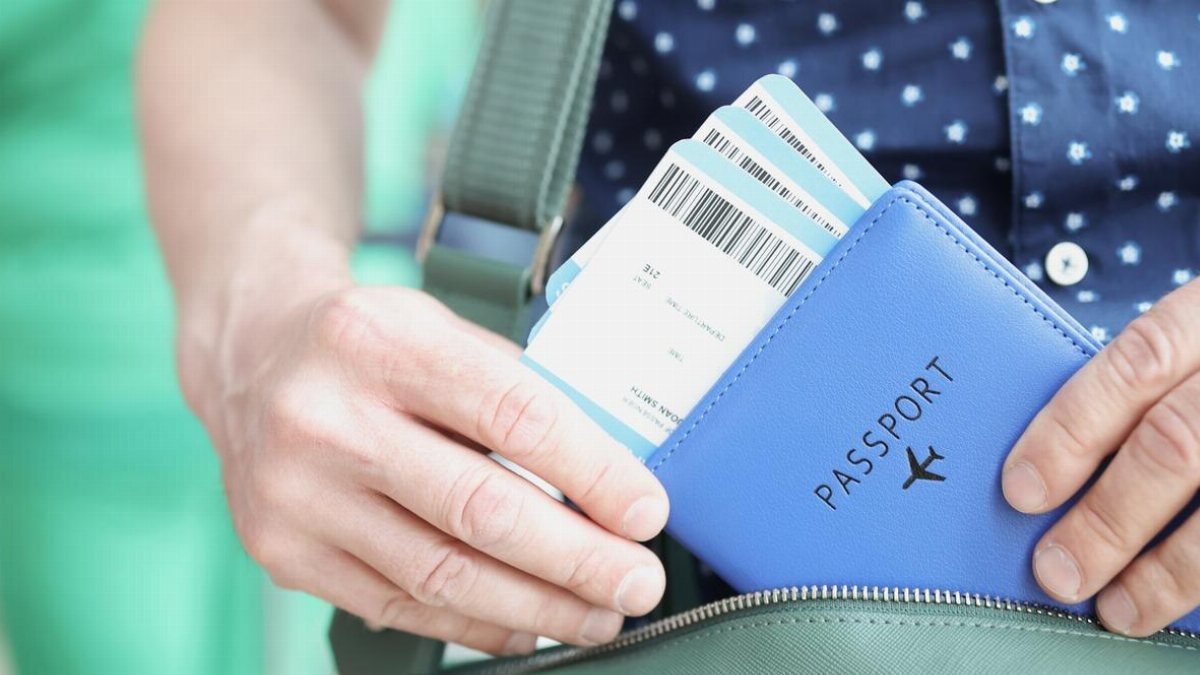
A **flight reservation** is a real airline booking record. It carries a booking reference, usually a six-character code often called a PNR, and shows the airline, the flight numbers, the dates and the passenger name exactly as it appears on the passport. It is not a ticket you have paid for in full, and it is not a promise that you will fly, so you can change or cancel it later under the airline's terms.
Take a traveller from Manchester who is visiting Bangkok and then Hanoi on a tourist visa, and whose route ends with a flight to Singapore. The reservation for the exit from Vietnam is what shows the embassy or the officer at the border that the trip has a defined end, and that the traveller is not planning to stay on. The booking only needs to cover the leg that matches your entry and visa dates, and it should be verifiable with the airline by its reference.
Booking a verifiable flight reservation with a PNR
A flight reservation is a real booking record held by the airline, and it is identified by a booking reference, usually a six-character code made of letters and numbers. Airlines often call this a PNR, short for passenger name record. The code is what matters: anyone with the reference and your surname can look up the itinerary on the airline's website or by phone, and see the flights, dates and passenger names exactly as they were booked.
Officers may want to check that reference because it shows the trip has a defined end. A booking that can be looked up with the airline gives them something concrete to verify, rather than a document they have no means of confirming. Keep your name spelt exactly as it appears in your passport, since a mismatch between the booking and your travel documents is one of the more common reasons a reference fails to match.
Here is how it can look in practice. Suppose a couple from Leeds plan to enter Vietnam by air, travel onward to Thailand by air and then fly home from Bangkok. Their onward leg from Vietnam to Thailand is the flight they should hold a reservation for, with a PNR they can show on their phone and print as a backup.
Keeping the booking up to date matters as much as making it. If you change your dates, rebook a flight or move to a different city, check that the reservation still matches your itinerary and visa dates, and note the new reference if the airline issues one. Save the confirmation email, write the reference in your travel notes, and check the airline's listing a few days before you fly so the details are current.
If you need a flight reservation for your visa application, you can book one through BookToursTicket, and you will receive a booking reference you can verify with the airline.
Can I use an airline hold instead of a flight reservation?
An airline hold is a temporary block on seats that an airline or booking system places while a fare is being decided. It usually carries an expiry, often a matter of hours or a day or two, after which the seats are released if nothing is paid. A hold can show a reference code, but that code is not the same as a confirmed reservation, and it is worth being clear about the difference before you rely on either.
A confirmed flight reservation is a booking record that stays in the airline's system with a booking reference, sometimes called a PNR, and with the passenger names, flight numbers and dates attached. It is confirmed in the sense that the seats are held firmly for a set period and the record can be checked against the airline's own system. A hold, by contrast, is provisional and may simply lapse if you do not complete the booking in time.
For a visa application, the reference needs to be checkable by the embassy or the officer reviewing your file. Ask yourself whether someone outside your household could look the code up, match your name and see the same flight and dates you have written on your form. A hold that disappears after a day, or a screenshot with no way to confirm it, gives a reviewer very little to work with, and it may also be out of date by the time you submit.
Take a real case: a couple from Leeds planning to apply for a visa for a stop in Bangkok on the way to Chiang Mai. They placed an airline hold on their outbound flight while comparing dates, then forgot the expiry and found the seats had been released. Once they completed a confirmed booking and received a reference, they had a record that matched their dates and names exactly, which was what their application needed.
Overland crossings and onward travel between Asian countries
Not every onward journey in Asia happens in the air. Many multi-country routes cross land borders by bus, train or private car, and a flight reservation simply does not fit that part of the trip. Where you are travelling overland, the document that carries weight is usually the proof of your planned route and your entry and exit arrangements, rather than an air booking.
Take a traveller moving from Bangkok to Siem Reap by road, for example. They might cross at a land border, then continue to Vientiane or Hanoi, and at no point fly. For that leg, the practical step is to write out each crossing point, the transport operator, the expected date and the next accommodation, so a visa officer can follow the sequence. Keep any bus or minibus tickets you have bought in advance, and print the hotel confirmations for each night you will stay.
A few things are worth keeping in your folder for overland legs:
The name of each land crossing and the date you expect to pass through it
Confirmed tickets for coaches or trains, where you have them
Accommodation bookings for every stay on the route
A clear note of your return or onward exit, even if it is by land
Be realistic about what is firm and what is flexible. Some land routes have timetables that change, so an advance ticket may not be possible on every leg, and that is perfectly normal. Writing your plan clearly and showing you have thought through each border is often more helpful than a document that does not match how you really intend to travel.
If your route ends with a flight out of the region, you will still need a flight reservation for that final leg. Booking one through BookToursTicket gives you a verifiable reservation with a reference that matches your dates and names, which you can add to the rest of your paperwork.
Common mistakes and what to check before you book
Most problems with a multi-country trip don't come from the countries themselves. They come from small mismatches on paper that an officer or an airline agent notices straight away. The most common is a name that doesn't match. If your passport says Catherine Anne Doyle and your flight reservation says Cathy Doyle, the record may be questioned, so copy the name exactly as it appears in the passport's machine-readable zone, including any middle names.
Dates are the next trap. A reservation departing on the 14th when your visa application lists the 15th looks careless even when it is an honest error. Check every leg, every time zone, and whether an overnight flight crosses into a different calendar day. A group trip adds another risk: if one traveller's dates differ from the others, ask whether their itinerary needs to be separated before you submit anything.
Document quality matters too. A screenshot of a booking, a document with edits, or a reservation you cannot verify with the airline will cause more trouble than a clean, plain record with a reference you can check. Keep every original PDF and never alter one yourself.
Before you submit, work through this list:
Names match the passport exactly, letter for letter.
Every departure and arrival date and time matches your visa application and your planned stay.
Each onward or exit flight has its own booking reference.
The final leg leaves the country you entered on your visa, or you have confirmed it does not matter.
Hotel bookings and insurance dates cover the same nights as your flights.
Each PDF opens cleanly, is complete and is unedited.
For example, a couple planning Bangkok, Chiang Mai and then Hanoi should check that their Hanoi departure falls within the visa window they applied for, not simply the week they hope to leave.
Do I need a flight reservation for every country on an Asia itinerary?
Many visa applications ask for onward or return travel proof, so it is worth checking each country's requirement and preparing a reservation for each entry.
Is a flight reservation the same as a ticket?
No. A flight reservation is a real airline booking with a reference code, while a ticket is issued after payment; visa offices usually ask for the reservation.
What is a PNR and why does it matter?
A PNR is the passenger name record, a booking reference an officer can check with the airline, so accuracy matters.
Can I change my onward flight after my visa is approved?
Often yes, but changes should keep your dates and route consistent with what you submitted, so check the rules first.
Should I book a dummy flight ticket for my visa?
People search for this, but what most applications actually need is a real flight reservation with a booking reference, which you can book here at BookToursTicket for your planning and application.
Is a flight reservation the same as a ticket?
No. A reservation is a booking record with an airline reference. A ticket is paid for and lets you fly.
Please note
A flight reservation is not a ticket and does not guarantee a visa. The embassy or visa centre decides, and its rules change. Follow the official checklist for your application. We are independent and not affiliated with any airline or embassy.
Ready to order?
£18.00 one way or £18.00 return, per traveller. Delivered within 2 hours.
Short answer: A bali flight reservation visa plan works best when every flight in your trip tells the same story, from arrival to exit. Choose one verifiable fli...
Short answer: For most UK applicants, a flight reservation with a booking reference is what they need to show, not an issued ticket, though what a consular offic...
Short answer: A flight reservation usually stays open for a limited period, and that period depends on the airline, the fare and how far ahead you travel, so the...