What Is the Best Way to Show a Flight Reservation for Your Visa?
The best way to show a flight reservation for your visa is a verifiable flight reservation with a booking reference that the airline's system can confirm, plus an itinerary that matches your dates and passport details. A reservation shows your plans clearly without locking you into paying for a flight you may not take. Always check the embassy's own list of accepted documents, because the officer makes the final decision.
A flight reservation is a real airline booking record with a booking reference, not a paid ticket
Make sure the name on the reservation matches your passport exactly
Check that dates, route and passenger count match your visa application and itinerary
Embassies decide what they accept, so read their guidance first
A reservation can be verified by the airline, but it does not guarantee a visa
What a flight reservation actually is
[[img:1]]
A flight reservation is a record held by an airline or booking system that sets out a passenger's name, the flights they plan to take, the dates and times, and a booking reference, sometimes called a PNR or record locator. That reference is usually a short code of six letters and numbers, and it is the thing an airline or an official can look up to confirm the booking exists. Think of it as the airline's written note that a seat has been set aside for a particular person on a particular route.
It helps to be clear about what this is not. A reservation shows the journey that has been arranged, but it does not always mean the fare has been paid in full. Some reservations are held for a short window until payment is made, and an unpaid hold can lapse. A paid ticket, by contrast, is the record that the fare has been settled and the seat is secured in the airline's system, and it often carries an e-ticket number as well as the booking reference.
Take a family of four planning a ten-day trip to Lisbon from Manchester, applying for a visa for the trip. They might hold a reservation with a booking reference showing outbound and return legs on the chosen dates, without yet having paid for the tickets. That record gives them a verifiable itinerary to show a visa centre, and it lets them see the dates and names are correct before any money changes hands.
Knowing this difference from the start will make the rest of the planning much easier to follow.
Reservation, refundable ticket or itinerary: which do you need?
Many travellers arrive at this question with three different documents in mind, and it helps to separate them before you spend anything. A **flight reservation** is a booking record held by the airline with its own reference number, showing the passenger names, route and dates. A **paid refundable ticket** is a fare you have bought and can cancel for a refund, usually at a higher price. A **flight itinerary** is a printed or digital summary of the planned journey, which may or may not be backed by a live booking.
| Option | What it is | Best for |
| --- | --- | --- |
| Flight reservation | Airline booking record with a reference, usually held or paid later | Showing a planned onward or return flight |
| Paid refundable ticket | A confirmed, paid fare that can be cancelled for a refund | Applicants who want the strongest proof of payment |
| Flight itinerary | A summary of dates and flights, not always linked to a live booking | Planning the route and checking names and dates |
Take a retired couple from Leeds planning a ten-day visit to Lisbon, followed by a connection home through Madrid. A flight reservation with the correct names and dates is usually enough to show their onward plan, and it costs far less than a refundable fare they may not need. A solo student heading to Rome for a short course might find an itinerary alone looks thin, because it carries no booking reference the embassy can check.
The reservation is the most practical middle ground for most tourists. It shows a real booking, and it lets you confirm that spellings and dates match your passport before you commit further. Whether a particular embassy accepts it is for that embassy to decide, so always check its published requirements for your trip.
How to check a flight reservation with a PNR
[[img:2]]
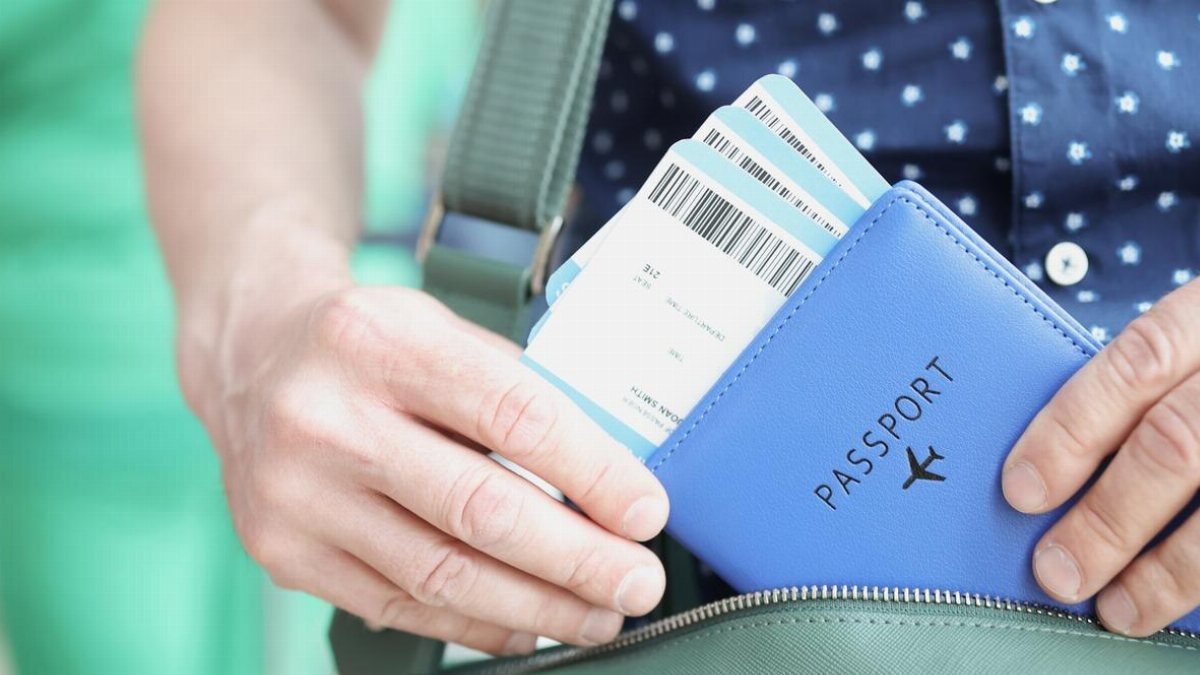
A PNR, or passenger name record, is the six-character code an airline or booking system gives your reservation, such as K7QWM2. It is the reference that links your name, your flights and your ticketing status to a single record in the airline's system. When you hold a flight reservation, the PNR is the thing you quote to the airline and the thing a visa officer can look up if they want to confirm the booking is real.
Reading a PNR is simpler than it looks. Look for four things: the passenger name exactly as it appears on the passport, each flight segment with its date and departure and arrival times, the cabin class, and a status code such as HK for confirmed. Times are normally shown in local time, so check the time zone for each city on a multi-stop route.
To confirm the record matches your passport, go through it line by line. The surname and given names should match, including any middle name or hyphen. Check the date of birth if it is shown, and check the travel dates against your planned itinerary.
Take a tour group leader travelling with eight people to Lisbon and then on to Porto. The leader should check each passenger's PNR against their own passport, because a single transposed letter in a surname can cause problems at check-in, even though the group booking looks correct at a glance.
If anything differs, contact the airline or booking provider before you travel rather than hoping it will be overlooked. Corrections are far easier to make early.
Does an airline hold count as a reservation?
An airline hold and a confirmed reservation can look similar on a screen, but they are not the same thing. A hold is a temporary block on seats, usually for a short window, that keeps a fare or seats available while you decide whether to pay. A confirmed reservation is a booking that has been paid for (or otherwise fully secured) and carries a booking reference that the airline will recognise.
Why does this matter for a visa? Embassies and border officials generally want to see a booking that is settled and will go ahead, not one that could lapse before you travel. A hold with a time limit tells the reader that the seats are not yet yours. If the hold expires, the reference may stop working and the record can disappear.
Take a couple from Manchester planning a Schengen trip that starts in Lisbon and ends at Gatwick. They place a hold on their outbound seats on a Friday afternoon, intending to pay once their visa appointment is confirmed. The hold runs out before the appointment, and when they return to the booking, the fare has changed and the reference no longer shows as confirmed. Had they paid and received a confirmed reservation, the document they took to the appointment would have matched what the airline held on file.
As a simple rule, check that your document shows a status of confirmed or ticketed, a booking reference, and no expiry notice. If it still says it will be cancelled unless you pay by a certain time, it is a hold, and you should complete the booking before relying on it.
What embassies usually ask to see for an onward flight
[[img:3]]
What embassies usually ask to see for an onward flight
Every embassy and visa application centre sets its own list, so there is no single set of papers that works everywhere. In general, though, visa offices tend to want evidence that you will leave the country within the permitted stay, and an onward or return flight reservation is one of the most common ways to show that plan. They may also ask for the booking reference, the travel dates, the passenger name as it appears on your passport, and the route, so that a caseworker can match the reservation to the rest of your application.
Some offices look at the reservation alone, while others want it alongside your accommodation details, your travel itinerary and proof of how you will fund the trip. A caseworker reviewing a couple planning a ten-day stay in Italy, for example, might check that the outbound and return dates line up with the hotel bookings they have submitted, and query any mismatch between the two. Keeping every document consistent is often as important as the documents themselves.
Requirements can change, and what worked for an application last year may not be asked for now. Before you book anything, check the current guidance published by the embassy or consulate that will handle your application, and read it closely for any wording on reservations, itineraries or sample documents. If anything is unclear, contact the visa office directly, because they are the only people who can tell you what they need.
Can I use a flight itinerary for a visa application?
Many travellers wonder whether a printed itinerary will do the job on its own, and the honest answer is that it depends on what the embassy has asked for and what the itinerary actually shows. A flight itinerary is a summary of your planned journey: dates, flight numbers, departure and arrival points and times. It is useful as a readable overview, but it is not the same as a booking record with a reference, so it is worth checking which one the visa office has asked for.
An itinerary tends to work best alongside a proper reservation, rather than in place of one. If you are applying for a short tourist trip with a onward flight out of the country, a clear itinerary helps the reader follow your plan at a glance. It should show your full name exactly as it appears on your passport, the airline, every flight number, the date and local time of each leg, and the airports involved. Where possible, include the booking reference so the details can be confirmed.
Take an example: a couple from Leeds planning a ten-day trip that flies into Lisbon, travels on to Porto by train and leaves from Lisbon for home. For them, a one-page itinerary that lists each stage and the matching reservation reference gives the visa officer a complete picture in one place. Without the reference, the same page is only a description of intentions.
Keep the itinerary consistent with everything else in your file, including your hotel bookings and dates of travel. A mismatch between the two is more likely to cause questions than the format of the document itself. If you are unsure whether an itinerary alone is acceptable, check the visa office's own guidance or ask them directly, since they make the decision.
Do I need a return ticket proof for a tourist visa?
Many visitors assume that a tourist visa application always requires proof of a return ticket, but the real question embassies are asking is simpler: do they have a credible plan to leave the country when their permitted stay ends? A return or onward journey is the most common way to show that plan. Officers want to see that the trip has an end date and that the applicant intends to go home, or on to another country, rather than stay on past their visa.
A flight reservation can cover this need well. It shows your outbound or onward flight with a booking reference, dates and the route, which gives the officer something concrete to check against the length of stay you have described. For a holiday that starts in Edinburgh, runs through Paris and ends in Lisbon before a flight home, a reservation showing the final departure from Lisbon back to Edinburgh tells a clear story.
Requirements differ between countries and even between visa centres, so it is worth reading the guidance for the embassy you are applying to. Some ask for a return booking specifically, others accept an onward flight to a third country, and a few simply want to see your travel dates and supporting documents. The officer makes the final decision, and a reservation supports your application without guaranteeing a result.
If you are planning a trip and need a flight reservation for a visa application, you can book one through BookToursTicket, which provides a real airline booking record with a reference you can verify directly with the airline.
Booking a flight reservation for a group or multi-city trip
Group travel and multi-city routes change what a flight reservation needs to show, so it is worth getting the details right before you book. Each passenger in a group normally has their own reservation, and every name must match the passport exactly, including the spelling of middle names and any hyphens. A single group booking with one lead name will not automatically give each traveller a separate record, so ask for individual passenger details to be entered.
Multi-city trips add a second layer. If your route connects through another city, the reservation should show every segment, with the departure and arrival airports and the connection point clearly listed. For example, a family flying from Manchester to Lisbon, then onward to Porto before returning home, will want a reservation that covers each leg rather than only the first flight out. Where the outbound and return journeys are on different airlines, each airline may issue its own booking reference, and you should keep both.
Check that every passenger's name matches their passport.
Confirm all connecting cities appear on the record.
Keep each airline's reference if the journey uses more than one carrier.
If your group is larger or the route is unusual, it helps to contact the booking service before paying, so the reservation reflects exactly what you plan to show the embassy.
Specific case: a Schengen visa with a multi-stop route
Imagine a traveller from Manchester who plans to fly into Lisbon, travel by train to Madrid and Barcelona, and then leave the Schengen area from Paris. The entry and exit points are in different countries, and that is where people often get tangled. The reservation needs to show a clear route: the arrival flight into the Schengen area and the onward or departure flight that takes you out of it, both with their own booking references.
Embassies generally want to see how you will enter and how you will leave, so a single reservation covering the outbound sector and a separate one for the exit usually reads more clearly than a vague note. If the trip includes rail legs, show the flights that bookend them and keep the train tickets for your own records. Do not rely on a summary sheet that you have written yourself; the airline record with the reference is what carries weight.
Dates matter in this case. Your entry date, the length of your stay in each place and your exit date should line up with the visa you are applying for and the accommodation you have arranged. If a gap or change of plan is likely, tell the embassy about it openly rather than presenting a route you do not intend to follow.
The embassy makes the final decision on your visa, so a well-presented reservation supports your application without guaranteeing an outcome. If your route is unusual, the reservation is hard to read at a glance, or you are unsure which country is your main destination, it is worth checking the requirements with the embassy directly before you book.
Common mistakes and what to check before you book
Most problems with a flight reservation are small, and they are easy to avoid once you know where to look. The most common is a name mismatch. The name on the booking must match your passport exactly, including the middle name, any accents, and the order of surnames. A booking made as "Jon Smith" for a passport that reads "John Andrew Smith" can cause questions at the visa desk, even though the flight is real.
Dates cause trouble just as often. Check the departure date, the return date and the year, and make sure the dates line up with the length of stay you have described on your application form. A reservation that ends a week before your planned exit can look like an inconsistency, so keep the two in step.
Holds and time limits are another trap. Some airlines allow a fare to be held for a short period without payment, and a held booking will lapse if it is not paid for in time. If your reservation expires before you submit your application, the embassy may see a booking that no longer exists. Confirm the status is confirmed and paid, not just held, and keep the confirmation email.
Name matches your passport exactly, character for character
Dates, times and the number of travellers match your application
Route and destinations match the countries listed on the form
Booking is confirmed and paid, with no hold or expiry warning
Booking reference (PNR) is written down and easy to find
Any group members are listed under the correct names and dates
For example, a family of four travelling from Manchester to Lisbon with a short onward leg to Madrid might find that one child's booking was made under a shortened first name. Catching that before submission saves a second round of paperwork. Run through this checklist once more the day before you apply, and keep a PDF copy of everything together.
What is the best way to show a flight reservation for visa applications?
A verifiable reservation with a booking reference and matching itinerary, checked against the embassy's list of accepted documents.
Is a flight reservation the same as a flight ticket?
No. A reservation is a booking record with a reference, while a ticket has been paid for and issued.
Can a dummy flight ticket be used for a visa?
Most people actually need a real flight reservation with a booking reference, not a paid ticket. Fake or forged documents are never acceptable, so check what the embassy requires.
How long should a flight reservation stay valid?
Keep it active through your application and travel dates, and ask the embassy how long they expect it to be valid.
Where can I book a flight reservation for a visa application?
You can book a verifiable flight reservation for a visa application through BookToursTicket, which provides a real airline booking reference you can check.
Is a flight reservation the same as a ticket?
No. A reservation is a booking record with an airline reference. A ticket is paid for and lets you fly.
Please note
A flight reservation is not a ticket and does not guarantee a visa. The embassy or visa centre decides, and its rules change. Follow the official checklist for your application. We are independent and not affiliated with any airline or embassy.
Ready to order?
£18.00 one way or £18.00 return, per traveller. Delivered within 2 hours.
Short answer: A bali flight reservation visa plan works best when every flight in your trip tells the same story, from arrival to exit. Choose one verifiable fli...
Short answer: For most UK applicants, a flight reservation with a booking reference is what they need to show, not an issued ticket, though what a consular offic...
Short answer: A flight reservation usually stays open for a limited period, and that period depends on the airline, the fare and how far ahead you travel, so the...